Pennsylvania Highlands Community College will be holding Discovery Day on Thursday, August 5th, from 6:00pm – 7:30pm.
Learn about Penn Highlands and its opportunities, including degree and certificate programs, transfer options, athletics and clubs, financial aid, and more. Campus tours will be provided. Individuals will have the opportunity to complete an admissions application on-site.
Individuals are encouraged to RSVP; however, walk-ins are also welcome. Attendees will have the opportunity to receive college apparel.
I had lived in either Illinois or Virginia for my entire life before I moved to Pennsylvania in early 2020. While I was very excited about starting my new role at Pennsylvania Highlands Community College, I was nervous because I was moving to Pennsylvania alone and leaving behind my entire support system of friends and family.
I thought when I got here that it was important mentally and emotionally for me to immediately connect with new people, find new mentors, and develop new friendships. I’ve been blessed to connect with so many good people since the move.
Being a community college president in Pennsylvania is like being a member of a very small social club – there are only 15 of us. But as I have come to know them, I’ve realized that some of the brightest minds in higher education are presidents at our Pennsylvania community colleges.
We are lucky to have such talented educational leaders in Pennsylvania.
I have had more than one of them reach out to me during my first 18 months at Penn Highlands. Nick Neupauer was one of the first. President at Butler County Community College (BC3) for 14 years, Dr. Neupauer has provided and continues to provide me with straightforward, commonsense, and smart advice. He and I have chatted several times, and each time I come away feeling better.
He just has one of those personalities. He’s easy to talk to, open, quick to laugh, and genuinely a nice guy.
I had a chance to talk with him more in-depth recently, using my superpowers to extract, selfishly, as much knowledge from him as I possibly could, and what impressed me the most was his understanding and devotion to the community college mission of providing affordable, accessible, and quality educational opportunities to the communities we serve.
He believes, as do I, that education is one of the best ways to change and improve a person’s life, and he fully embraces the community college “open door” concept with a focus to remain affordable to all constituents.
As we chatted, Nick continuously brought our conversation back to “service” – to his students and communities.
While being president inhibits him from regular, direct interaction with students, he stated that his focus – every single day – is on students and their successes. He’s particularly focused on providing students with an excellent return on their educational investment and keeping student loan debt low.
Nick said that if students can graduate from his college with a meaningful credential and little to no debt, they will be set up for professional success. Community colleges can provide that pathway, just as it did for his own two daughters.
Some predict that, over the next several decades, many higher education institutions will close or merge with other institutions as our population demographics evolve. However, Neupauer believes that community colleges, focused on their mission of providing affordable, accessible, and quality education will become even more important and necessary because of their value and because of their “ROI.”
Regardless, I certainly feel more confident about the future of community colleges when I speak with education leaders such as Neupauer who care so much about students and the communities we live in.
Thanks for your mentorship, Nick.
Written By Dr. Steve Nunez, College’s Fifth President. This monthly series appears in The Tribune-Democrat, and will allow Dr. Nunez to provide his perspective on the value of education and of a community college.
As part of the American Rescue Plan Act of 2021, Penn Highlands Community College recently received an additional 1.8 million dollars for direct student aid from the Higher Education Relief Fund III. To date, Penn Highlands has already awarded over $880,000 directly to students impacted by the pandemic during the Fall 2019 and Spring 2020 semesters.
Penn Highlands Community College will disperse the additional COVID-19 relief funding to enrolled students for the Summer 2021, Fall 2021, and Spring 2022 semesters.
All enrolled for-credit students are eligible for COVID-19 relief payments. No Federal Application for Free Student Aid (FAFSA) is required to receive the relief funds; however, students that show exceptional need based upon their FAFSA status will be prioritized. Special consideration will be awarded to Pell Grant eligible recipients in the overall funding formula, which will be calculated for each student.
All students are encouraged to complete the FAFSA and contact the Penn Highlands Financial Aid Office to discuss how their current financial situation may or may not have changed due to the pandemic. These relief funds are designed for anyone who has put off their education due to a loss of income or insufficient childcare options as a direct result of the pandemic, to name a few.
“Penn Highlands is here to help our student population, whether it is earning an associate degree or certificate, or just taking a few classes to upskill their current job,” stated Dr. Steve Nunez, President of Penn Highlands Community College. “These COVID-19 relief funds are beneficial as they help our students overcome barriers caused by the pandemic, such as covering the cost of tuition and books, or other educational needs.”
In addition to COVID-19 relief funds, Penn Highlands also offers over 20 scholarships for each academic year, as well as payment plans designed to assist a student’s individual needs.
Our fall semester starts this August, and enrollment is currently underway. Click here for details.
Pennsylvania Highlands Community College will continue its commitment to academic excellence this fall with the introduction of an Honors Program.
The Honors Program will allow students to explore cultural and societal issues through new, distinct, and challenging academic programming opportunities. Students in the Honors Program will encounter enhanced experiential learning, seminars, interdisciplinary research, and community-engaged service projects.
Honors students’ classes employ a collaborative and cross-disciplinary research approach. These courses are designed to fulfill core and major requirements across a variety of academic majors. Additionally, these students will be challenged to think creatively and critically both inside and outside of the traditional classroom.
“This Honors Program will provide students with an academic experience enriched by working with faculty on projects that are of interest universally across all settings,” stated Robert Farinelli, Vice President of Academic Affairs at Penn Highlands Community College. “Students will leave with an academic resume that they can take as they transfer or enter the workforce.”
The Honors Program is a testament to the quality and strong educational foundation Penn Highlands offers students throughout the region. This new distinction allows Penn Highlands to recognize and expand opportunities for the highest achieving students. Penn Highlands believes the new designation will add prestige to current degrees, while enhancing current programming to create motivated life-long learners.
The Penn Highlands Community College Honors Program is open to all current and incoming students in any academic program. Academically talented and ambitious students are encouraged to apply to be a part of the inaugural class.
Pennsylvania Highlands Community College is proud to announce that the following students have made the Dean’s List for the Spring 2021 semester.
Acme – Charles Robert Heckman, II
Alexandria – David Lee McGuire
Altoona – Megan Marie Anslinger, Christopher Michael Bearer, Kaylin Nikole Becker, Emma Leigh Bender, Garrett Steven Burns, Lindsay Victoria Chamberlain, Julia Elizabeth Dambeck, Kyle Ashton Dennis, Edward Michael Drzewiecki, Alicia Ann Friedenberger, Karmiel Latoya Jackson, Herman Johnson, Scott Anthony Jurcik, Shaina Elizabeth Lear, Maura Marie Lowey, Katherine Rose Markel, Diamond Makaylah Mercer, Nickolas Douglas Overdorff, Taylor Rae Peters, Tam-Mara Madeline Stevens, Tanner John Dayne Umbower, Imani Vaughn, Angela E. Weber, Abigail White
Apollo – David Michael Sylvia
Armagh – Ashlyn N. Bowers, Luke William Means, Emily Patricia Ponchione, Kallista Joy Regan, Noah Michael Slippy, Berkley Noel Sutton
Ashville – Hannah Grace Krug
Aurora – Alyssa Erin Hoffman
Beaverdale – Melissa L. Haslam, Erica L. Kovalik
Bedford – Spencer Michael Jacobs
Belsano – Ira Lee Sickles
Berlin – Jennifer Ann Swope
Blairsville – Alyssa Marie Debnar
Blandburg – Bethany Kay Smeal
Boswell – Madison Jade Burkholder, Hannah Marie St. Clair, Cassidy Elaine Washabaugh
Broad Top – Makayla Paige Hinkel
Cadogan- Christopher Matthew Serafine
Cairnbrook – Christy Lou Fleegle, Brooke Rhianne Marek
Carrolltown – Andrew J. Cidor, Melissa A. Finet, Samuel R. Sottile
Cassville – Ryan Bookheimer
Central City – Briana Lyn Pakstis
Cherry Tree – Makayla Marie Price
Clarion – Joshua Taylor
Claysburg – Mackenzie Rose Clemens, Justin Michael Mauk
Coalport – Maria Jewel Henry
Colver – Emma Leigh Davis, Lee Ann Krumenacker, Lucas Kenneth Taylor
Confluence – Rebekah Lindsey Phillippi
Connellsville – Justin Thomas Thornton
Corry – Kreg Allen Schreckengost
Cresson – Kayla Marie Borque, Mary Lee Courtot, Kaitlyn Marie Eger, Angela Marie Forlina, Alison E. Gailey, Katrina Dawn Anne Smith, Rachel C. Verchereau
Davidsville – Kayla Mae Yoder
Dayton – Eric Dean Eckman
Delta – Jacob A. Puglia
Duncansville – Jade Kathryn Corbin, Erika Olivia Wilkie, Christopher Alexander Winters
East Freedom – Amber L. Weyant
Ebensburg – Brandy Lee Eckenrod, Cassidy Goshey, Amanda Blake Hart, Lauren Elizabeth Kiepert, Matthew Paul Kuzilla, Bridget Ann Llewellyn, Austin Gene McCready, Lewis William Prather III, Hope Marie Sodmont, Cody James Sral, Korin Arielle Templeton
Emeigh – Courtney Breeanna Williams
Export – Eric Jeffrey Hyland
Fallentimber – Katie Lynn Ness
Fenelton – Hunter Alan Miller
Friedens – Jennifer L. Grabill, Derek Michael James Zolla
Gallitzin – Andrew James Eger, Sherry Christine Hines, Julie Ann Madonna
Greensburg – Jesse F. Gruber, Abbigale Hunter Wentzel
Hastings – Alexander David Blake, Nicolas W. Bradley, Tyler J. Charney, MaKala Lee Stafford
Hesston – Angeline Nicole Grove
Hollidaysburg – Emily Grace Campbell, Kara Elizabeth Gallagher, Tiffany Lynn Kennedy, Joseph M. Mattern, Mikayla Renee McIntosh, Paige Jean Senne
Hollsopple – Kelsey Raye Branch, Renee Ivy Eash
Homer City – Braden Boothby, Christopher Allen Dutschmann
Hooversville – Autumn Rose Yuzwa, Hannah M. Zorn
Hopwood – Nathaniel Joseph Erminio
Houtzdale – Alex Francis Capitos
Hudson – Phillip Thomas Grainger
Huntingdon – Colby Paul Grubb
Hyndman – Nicole Bumbarger, Joseph A. Guercio
Indiana – Sydney Rebecca Wells
Irvona – Samantha Sue Leamer
James Creek – Doak Abram Hoenstine
Jenners – Joseph B. Hornick
Jerome – Kalie Morgan Lysic, Uriah Shane Peruso, Jennifer Sue Stouffer
Johnstown – Taylor N. Ahlborn, Gillian Elizabeth Ambroe, Vincent E. Andolina, Cassidy Faye Bailey, Abigail Rose Bartis, Omar Benslimane, Nathan Hunter Berkebile, Justin Dylan Bezek, Selena Marie Blough, Allyson Boring, Hannah Noelle Boring, Ashley Nichol Boyle, Elizabeth Irene Breen, Breanna M. Brittingham, Liam T. Coyne, Megan Rose Cunningham, Ian Christopher Danchanko, Hannah M. Davis, Heather A. Donatelli, Christopher Ceylon Durham, Gavin Robert Eash, Peter O. Echon, Justin Thomas Eckenrod, Ashley Lynn Eppley, Benjamin M. Feathers, Drewann Marie Gaydos, Kali Gladys Giebfried, Morna M. Haluska, Brady Matthew Harrison, Chelsea Rae Helsel, Hayden Charles Holsopple, Corey Lynn Hrivnak, Benjamin Blasé Johnson, Emily Kathryn Keiper, Brian Scott Kennedy, Shelly M. Kerchner, Thomas Raymond Keyser, Taylor Diane Kirby, Cameron M. Kleczek, Caleb Nethaniel Knaze, Ryan Alan Kniss, Lacey N. Krouse, Jerri Joy Leslie, Gavin Parker Lewis, Abigail Anna Majercsik, Teresa A. Marion, Aliyah L. Naylor, Laura Lee Neatrour, Thomas Albert Opdenhoff, Lauren Michele Ozog, Pooja Anil Parekh, Jenna Marie Pavlosky, Dawn M. Pringle, Lindsey Marie Pullin, Hannah Elizabeth Rietscha, Jason Paul Rilogio, Tyler James Rodman, Shane J. Ross, William F. Roth, Elizabeth A. Ruszkoski, Rylee Morgan Sabo, Lucas Robert Sabol, Joshua Aaron Schalles, Jennifer L. Schario, Adrian P. Shane, Alexis Kira Shank, Emily Paige Sherry, Jordan Elizabeth Slavick, Victoria Frances Smothers, Sophia Miles Straw, Elizabeth Ann Stricker, Joseph J. Stringent, Star L. Surma, Emma Mae Tavalsky, David Michael Truscello, Amber Nicole Turner, Brianna Marie Tustin, Taelur Marie Vargo, Emmalie F. Vitalie, Nancy A. Webb, Grace A. Weinzierl, Alexander Michael Wherthey, Zachary David Whitcomb, Victoria Marie Winfield, Brent T. Zierer, McKenzie R. Zukus
Kunkletown – Nicole Schifano
Ligonier – Lexie A. Ambrose
Lilly – Lauren Marie Suchta
Loretto – Jeannie M. Crane, Morghan Theresa Krug
Mansfield – Colton James Pierce
Mapleton Depot – Kaitlin N. Arnold, Trey William Bennett
Martinsburg – Nicholas Allen Bechtel, Jessi M. Delozier, Kayla Ann Imler
McVeytown – Connor Nicholas Fultz
Mechanicsburg – Alexis Clifford
Meyersdale – Eric Steven Beckner, Carissa Nicole Miller, Alan Andrew Mognet, Lakyn Elizabeth Roadman, Lillian M. Whitacre
Mineral Point – Aaron Michael Fenchak, Kenneth Glenn Findley, Ty Frederick Keilman, Lauryn Mae McCullough, Kaylee J. Meier
Mount Union – Devin R. Delo, Nicholas Scott Hurley, Chloe Lane Schiffel
Nanty Glo – Emerson Mary George, Kira M. Gongloff, Stephen James Hauck, Jennifer Diane Kinter, Michaella N. Smick, Isaac Michael Thomas, Haley Michael Rhine
New Florence – Payton Krishelle Colson, Cheyanne M. Gregorich
New Kensington – Timothy Richard Conroy
Newry – Donny Hoffman
Northern Cambria – Ariel Martina Dospoy, Jeffrey Stephen Degol, Tanya Nicole Deyarmin, Reilly P. Hill, Delilah Lee Laney, Liana N. Laughard, Brennen James Lee, Joel G. Ludwig, Sydnee Laurel Miller, Abigail Theresa Montanaro, Johniemarie Olenchick, Gabriell Cassandra Peles, Hannah Elsie Phillips, Sydney Madison Sheredy, Lauren A. Sichko, Richard James Wiewiora
Patton – Jacob Leo Beebe, Zachary J. Farabaugh, Maddelyn Paige Hoover, Nicolas Scott Painter, Kelsey Louise Rematt, Cassidy Erin Ringler, Robert Eugene Tinker
Penn Run – Seth E. Fyock
Petersburg – Tricia May Farine, Gabriel David McMahon, Brittany Marie Waite
Portage – Skyler Daniel Baran-Wozniak, Richelle Irene Brown, Lucas William Jubina, Corey Kopnicky, Emily Krall, Joshua A. Krumenacker, Bella Nicole Nagy, Madison Elise Piatak, Garrett David Sanner, Cody James Schrift
Revloc – Danielle A. Hardsock, Ashley Michelle Patterson
Ridgeley – Logan Edward Corwell
Roaring Spring – Jenna Marie Carder, Katelynn Frye Carter, Waverly Elaine Harshbarger, Breana L. Weimert
Robertsdale – Devin Jeffrey Swope
Rockwood – Stephanie Christine Dwire, Hanna Lee Hoover, Molly R. Hostetler
Saint Benedict – Kelly Jo Bassett, Ashley N. McLucas
Saint Marys – Allison Rae Vollmer
Saint Michael – Christopher Kyle Kurchak, Alayna R. Plaza
Saint Petersburg – Jacob Isaiah Kriebel
Salix – Maria Hope Carosi, Levi Grigg, Priscilla L. Ryman, Noah Michael Webb
Saltillo – Brantley Lee Collins
Scottdale – Lee Eric Newcomer
Seward – Justin Robert Higgins, Tessa G. Rudnik
Shelocta – Joseph D. Spohn
Shirleysburg – Caylin Reeder, Griffin Frederick Scott, Kendra Wertz
Somerset – Melanie Cathryn Downing, Sarah Renee Fleegle, Tyson J. Hostetler, Krystal Elizabeth Knupp, Colby Graham Myers, Erin Elizabeth Pyle
South Fork – Allison Denise Gustkey, Jessica Dawn Ickes, Sara Nicole Units
Spring Church – Justin Thomas Donelow
Stoystown – Lily Patricia Grace, Casey A. Romus
Summerhill – Kendra Nicole Fox
Three Springs – Mason R. Farine, Wyatt Preston Long
Todd – Catherine Estella Cavanaugh
Twin Rocks – Stephen A. Karal
Tyrone – Jonathan Crocefoglia, John Andrew Lehner, Devin Matthew Phillips
Uniontown – Cassandra M. Filcheck
Vintondale – Garrett D. Smith
Wells Tannery – Maiah Mellott
Westover – Brandon Arnold
Williamsburg – Danelle Florence Roberts
Windber – Michelle Rose Bartkovich, Kacey Marie Berdomas, Tyler Robert Bush, Haley Nicole Crum, Brooke Nicole Elliott, Evie Adelia Johnson, Matthew David Kaiser, Trinity Paige Krause, Ronald L. Mayo, Marlayna Grace Miller, Dylan Jack Napora, Alyssa Marie Ott, Colton Steele Platt, Kayla Shuster, Debra M. Slagle, Matthew James Walker, Jonas D. Wissinger
Contact - Edward Carothers
Contact - Crystal Andrews
Contact - Ron Kakabar
Contact - Olivia Weyandt
Contact - Hind Achouri
Contact - Zachary Phillips
Contact - Tetiana Pearce
Contact - Daphne Matlin
Contact - Amanda Blough
Contact - Michael Buckallew
Contact - Elizabeth Vickroy
Contact - Caitlin Machuta
Contact - Christopher Reynolds
Contact - Lianna Weir
Contact - Kaylee Gmutza (PennWest)
Contact - Mark Parfitt
Contact - Walter Zapotoczny
Contact - Apryle Barrett
Contact - Madelyn Oliver
Contact - Sara Conroy
Contact - Aidan Keen
Contact - Amanda Dollak
Contact - Tyler Cigich
Contact - Suzanne Swope
Contact - Shannyn Luzier
Contact - Will Harris
Contact - Bryan Smith
Contact - Chris Weakley
Contact - Steve Costea
Contact - Joshua Hamilton
Contact - Seton Hill
Contact - John Dusack
Contact - Jeannette Rizzuto
Contact - Ashley Hamilton
Contact - Amy Mirilovich
Rebecca Boyer - Millersville
Heather Jones - Saint Francis
Contact - Carol Lucas
Contact - Heather Hays
Contact - Centre County
Contact - Roma Altimus
Contact - Bryce Waldron
Contact - Derek Horner
Contact - Denise Miller
Contact - Michele Krutch-Paonessa
Contact - Megan Adams-West
Contact - Brad O'Hara
Contact - Sandra Moore
Contact - Omar Strohm
Contact - Rose Mazey
Contact - Susan Whisler
Contact - Jonathan Thompson
Contact - Donald Statler
Contact - Amy Schario
Contact - Randal Kauffman
Contact - Sabrina Lane
Contact - Katie Balcom
Contact - Tori Varner
Contact - Natalie Toma
Contact - Annastasia Brown
Contact - Lawrence Goetz
Contact - Carole VanMeter
Contact - Melissa Buchanan
Contact - Kirk Rosenbaum
Contact - Sonya Augustine
Contact - Brad Rosemas
Contact - David Williams
Contact: Event Request
Contact - Alicia Williams
Contact - Sarah Lockard
Contact - Cynthia Doherty
Contact - Nicole Turin
Contact - Debra Balog
Contact - Joshua Fabina
Contact - Kevin Gaudlip
Contact - Nicole Wright
Contact - John Rickabaugh
Contact - Lucas Swartz
Contact - Max Barkley
Contact - Levi Grigg
Contact - Noah Webb
Contact - Matthew Stumpf
Contact - Dane Lamont
Contact - Ashley Burkhardt
Contact - Kylee Doyle
Contact - Amber Smith
Contact - John Ringler
Contact - Katie Markum
Contact - Benjamin Mostoller
Contact - Seton Hill - Dr. Julie Warnick
Contact - Deanna Jodon-Ickes
Contact - Matthew Pudliner
Contact - Joel Holsopple
Contact - Holly Hostetler
Contact - UPJ - Liz Katrancha
Contact - Mount Aloysius - Janna Kohler
Contact - Police Academy
Contact - Mandy Percinsky
Contact - Beth Freedline
Contact - Mount Aloysius College
Contact - University of Pittsburgh at Johnstown
Contact - St. Francis University
Contact - Bloomsburg University
Contact - California University of Pennsylvania
Contact - Carlow University
Contact - Cheyney University
Contact - Clarion University
Contact - East Stroudsburg University
Contact - Edinboro University
Contact - IUP
Contact - Juniata College
Contact - Lock Haven University
Contact - Kutztown University
Contact - Lincoln University
Contact - Mansfield University
Contact - Millersville University
Contact - Robert Morris University
Contact - Shippensburg University
Contact - Slippery Rock University
Contact - Southern New Hampshire University
Contact - West Chester University
Contact - St. Francis University
Contact - Pennsylvania College of Technology
Contact - Franklin University
Contact - Grand Canyon University
Contact - LaRoche College
Contact - Alyssa Evans
Contact - Danni Weaver
Contact - Leisa Custer
Contact - Kenneth Vescovi
Contact - Justin Slagle
Contact - Frank Cameron
Contact - Michael Caglia
Contact - Brian Belz
Contact - Alumni Association
Contact - Human Resources
Contact - Dawn Thompson
Contact - Linda Wess
Contact - Melissa Zukus
Contact - Leisa Custer
Contact - John Zlater
Contact - Alan Zimmerman
Contact - Dr. Zaborowski
Contact - Valerie Wojcik
Contact - Jason Wojcik
Contact - Raymond Weible
Contact - Nancy Webb
Contact - Sally Tiracave
Contact - Julia Taylor
Contact - Michelle Stumpf
Contact - Richard Stock
Contact - George Soika
Contact - Diane Smith
Contact - Craig Smith
Contact - Joe Slifko
Contact - Sherri Slavick
Contact - Dr. Sisak
Contact - Wayde Simington
Contact - Cory Shay
Contact - Theresa Sewalk
Contact - Robert Sekerak
Contact - Sandy Schrum
Contact - Gaynelle Schmieder
Contact - Kathleen Samay
Contact - Steven Russo
Contact - Hannah Ross
Contact - Nicole Robson
Contact - Erica Reighard
Contact - Andrea Pulsney
Contact - Austin Pudliner
Contact - Thomasa Pridgen
Contact - Chris Pribulsky
Contact - Marie Polka
Contact - Robert Podolak
Contact - Andrew Podolak
Contact - Dr. Petrilla
Contact - Craig Peracchino
Contact - Gregory Paonessa
Contact - Margaret Oldham
Contact - Joseph O'Brien
Contact - Robert Obetts
Contact - Dr. Nunez
Contact - Mindy Nitch
Contact - Michelle Myers
Contact - Luke Lockard
Contact - Kathleen Morrell
Contact - Jill Mitchell
Contact - Shannon Miller
Contact - Dennis Miller
Contact - Jeannine McDevitt
Contact - Mary Ann McCurdy
Contact - Sarah McCullough
Contact - Jeanine Matse
Contact - Amber Mangus
Contact - Kay-Leigh Davis
Contact - Yvette Madison
Contact - Michael Lucas
Contact - Landon Loya
Contact - Michaela Long
Contact - Cheryl Long
Contact - Mary Ann Lee
Contact - Derek Leach
Contact - Brittany Lapczynski
Contact - Eileen Kyler
Contact - Adrianne Ballarino
Contact - Ashley Krinjeck
Contact - Johnathan Kohan
Contact - Alexander Kirby
Contact - Charles Kelley
Contact - John Kapello
Contact - Sue Hunt
Contact - Robin Hughes
Contact - Matthew Hoffman
Contact - Amanda Helbig
Contact - Mary Hattaway
Contact - Heidi Hasse
Contact - Lance Harshbarger
Contact - Melissa Hanley
Contact - Bridget Hall
Contact - Tim Haberkorn
Contact - Mark Gyurik
Contact - Laura Gaunt
Contact - Matthew Gallagher
Contact - Mary Fleck
Contact - Susan Fisher
Contact - Dennis Fisher
Contact - Kaye Fink
Contact - Chris Farrell
Contact - Amanda Farkus
Contact - Robert Farinelli
Contact - Cory Fairman
Contact - Kathleen Edmiston
Contact - Morgan Dugan
Contact - Susan Donald
Contact - Lorraine Donahue
Contact - Jonathan Dixon
Contact - Jeffrey Dick
Contact - Cregg Dibert
Contact - Carley Denner
Contact - Marissa Davis
Contact - Julie Davis
Contact - Timothy Crawford
Contact - Trish Corle
Contact - Daniella Cope
Contact - Dr. Clark
Contact - Tiffany Byers
Contact - Pamela Buseck
Contact - Dr. Bukoski
Contact - Troy Bugosh
Contact - Sue Brugh
Contact - Reb Brownlee
Contact - Quan Britt
Contact - Brenda Brewer
Contact - Brian Boland
Contact - Matthew Bodenschatz
Contact - Melissa Bobak
Contact - Gary Boast
Contact - Steven Bender
Contact - Scott Beamer
Contact - Workforce Development
Contact - Student Success Center
Contact - Student Activities
Contact - Student Accounts Office
Contact - Somerset Center
Contact - Security and Safety
Contact - School Partnerships
Contact - Richland Campus
Contact - Registrar's Office
Contact - President's Office
Contact - Office of the Vice President of Student Services

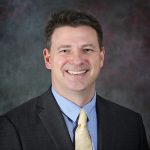 Written By Dr. Steve Nunez, College’s Fifth President. This monthly series appears in The Tribune-Democrat, and will allow Dr. Nunez to provide his perspective on the value of education and of a community college.
  Pennsylvania Highlands Community College will continue its commitment to academic excellence this fall with the introduction of an Honors Program.